The Art of the Plate: Why Visual Dining is Defining the Modern Restaurant Scene
The old adage claims that we eat with our eyes first, but in the modern culinary landscape, that phrase has taken on a literal, multi-million-dollar meaning. Walk into any trendy bistro or high-end eatery tonight, and you will likely witness a familiar ritual: before a fork is lifted or a napkin unrolled, smartphones are raised.
Visual dining is no longer just a luxury reserved for Michelin-starred establishments; it has become the defining characteristic of the modern restaurant scene.
The Instagram Effect: Marketing via the Menu
For decades, a restaurant’s success relied on word-of-mouth, critical reviews, or a prime physical location. Today, the most powerful marketing tool is sitting in the diner's pocket.
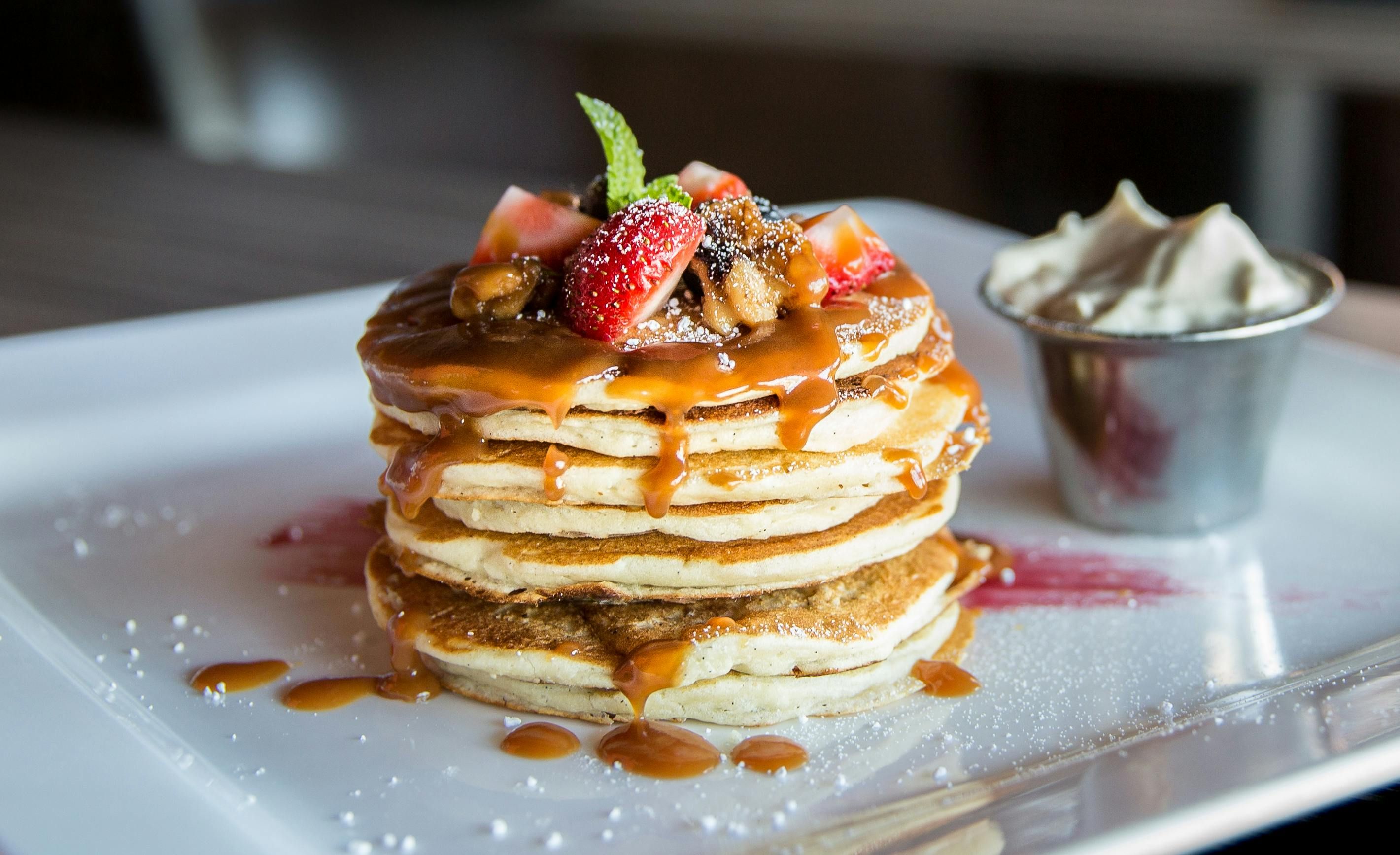
When a restaurant serves a dish that looks like a work of art, customers don’t just eat it—they broadcast it. A single beautifully styled photograph shared on Instagram or TikTok can go viral, driving hundreds of new patrons through a restaurant’s doors.
The Reality of Modern Dining: Chefs are no longer just culinary experts; they are visual content creators. A dish must taste phenomenal, but it must also look captivating in a square frame under smartphone lighting.
This shift has forced restaurateurs to rethink everything. Lighting is no longer just about mood; it’s about photography. Table surfaces are chosen based on how well they contrast with plates. The aesthetic has become just as crucial as the seasoning.
Behind the Kitchen Line: How Chefs Design a Plate
Plating is the intersection of science, culinary skill, and fine art. When a chef designs a dish, they balance several visual elements to create a narrative on the plate:
Color Composition: Chefs use vibrant, natural colors to create emotional contrast. A swipe of bright magenta beet purée against a dark slate plate immediately commands attention.
Texture and Height: Flat food looks unappealing. Modern plating utilizes structural height—stacking elements, nesting microgreens, or using crispy tuiles to create dimension and shadows.
The Rule of Odds: Borrowed straight from classical art theory, placing elements in odd numbers (three seared scallops instead of four) is inherently more visually appealing and dynamic to the human brain.
Every smear of sauce and every placement of an edible flower is calculated. It is a high-stakes performance performed under the intense pressure of a ticking clock and a hot kitchen line.
Substance Over Style: The Peril of the "Pretty" Plate
However, this visual revolution comes with a catch. The rise of aesthetic dining has birthed a dangerous counter-trend: the "Instagram Trap."
We have all been there—a restaurant boasts stunning decor, neon signs with quirky catchphrases, and dishes covered in gold leaf or dry-ice smoke, yet the actual food is bland, cold, or poorly executed. When a restaurant prioritizes style entirely over substance, the illusion quickly fades.
The truly great modern restaurants understand that visual presentation should enhance the flavor story, not hide a lack of it. A vibrant sprig of wood sorrel shouldn't just look pretty; its sharp, green-apple acidity should perfectly balance the rich, fatty pork belly it sits atop.
The Future of the Feast
As the culinary world continues to evolve, the line between art gallery and dining room will only blur further. Visual dining is not a passing fad; it is a permanent evolution of how we experience food.
In a world that is increasingly digital, a beautifully plated meal offers a tangible, sensory moment of awe. It invites us to slow down, appreciate the craftsmanship, and truly savor the artistry before we take our very first bite.